Soania Mathur, M.D.
Introduction
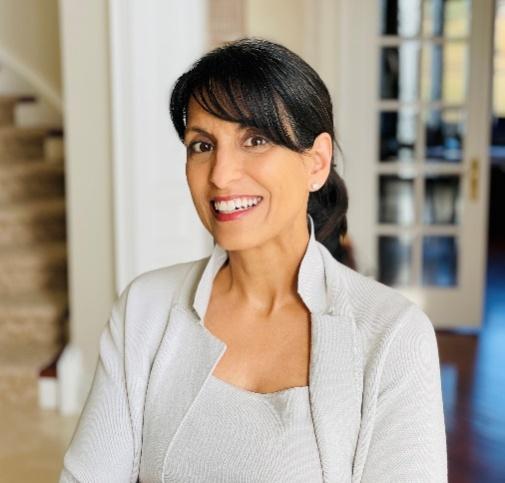
I am a family physician living outside of Toronto, Ontario, Canada, married with three daughters. I resigned my clinical practice twelve years following my diagnosis of Young Onset Parkinson's Disease at age 28, over 25 years ago. Now I am a dedicated speaker, writer, educator, and Parkinson's advocate. My platform, UnshakeableMD (www.unshakeablemd.com), serves as a resource for patient education as well as an outlet for my personal experiences with this disease.
I am an active speaker in Canada and internationally, serve on committees and boards for several organizations and have authored a number of published papers and online pieces that focus on patient education, empowerment, and the vital importance of involving patients in all areas of clinical research. This has led to my involvement with AMP-PDRD, a collaborative effort where the patient voice is included and valued.
Importance of Patient Voice
The big issue in Parkinson’s is that there is no universal outcome measure for the detection of the disease or for monitoring its progression. Finding reliable, measurable biomarkers for PD could transform clinical diagnosis and management, as well as research. The complexity of the disease makes this search more difficult. The inclusion of the patient voice brings vital insight into the diverse nature of Parkinson’s disease — no two individuals experience it in quite the same way. It is not simply a movement disorder, it is a pervasive condition that extends far beyond motor symptoms, encompassing a wide range of non-motor challenges such as mood changes, pain, and sleep disturbances — all of which profoundly affect quality of life.
Because of this heterogeneity, treatments focused solely on symptom control are rarely sufficient. As the disease advances, those therapies often lose their effectiveness, leaving many of us facing increasing disability over time. But through our work with AMP PDRD, we’re moving closer to what every person living with Parkinson’s hopes for — treatments that can slow or stop the disease itself, disease modification. Real progress depends on our ability to better define Parkinson’s: to measure it, to identify it objectively, and to distinguish it from related disorders. Reliable biomarkers would allow us to diagnose the disease more accurately and ensure that the right patients are enrolled in the right studies. That’s how we’ll discover more effective treatments — and, ultimately, a cure.
Advancing Discovery: Outcomes Enabled by the AMP PDRD Portal
Collaboration is vital for us to solve the enigma of Parkinson’s disease and related disorders. Research done in silos, duplication of efforts, and non-sharing of information results in a waste of resources, finances, and most importantly time—time which the patient community does not have, time spent in disability and inevitable decline. Any resource, like the AMP PDRD portal that facilitates collaboration, partnership directed towards the same goals, is the only way to find better treatments and ultimately a cure for this debilitating neurological condition.